.png)
.png)
Let’s go back in time...
Let’s jump to 2012, San Francisco. I spotted a very unusual vessel fastened along the pier. Something about it did not match anything I knew. I took binocular and observed it for at least half an hour trying to understand every detail, structure, layout and purpose. It had this massive X, strange but extremely functional and attractive to me from an engineering perspective. It turned out to be a SpaceX vessel.

That moment triggered something deeper. I started studying everything I could, books, articles, systems, the founder, the philosophy behind it. What was interesting is that the concept was not just impressive, it was somehow clear to me. Not on the surface level, but structurally, how things connect, how systems are built and why they behave the way they do.
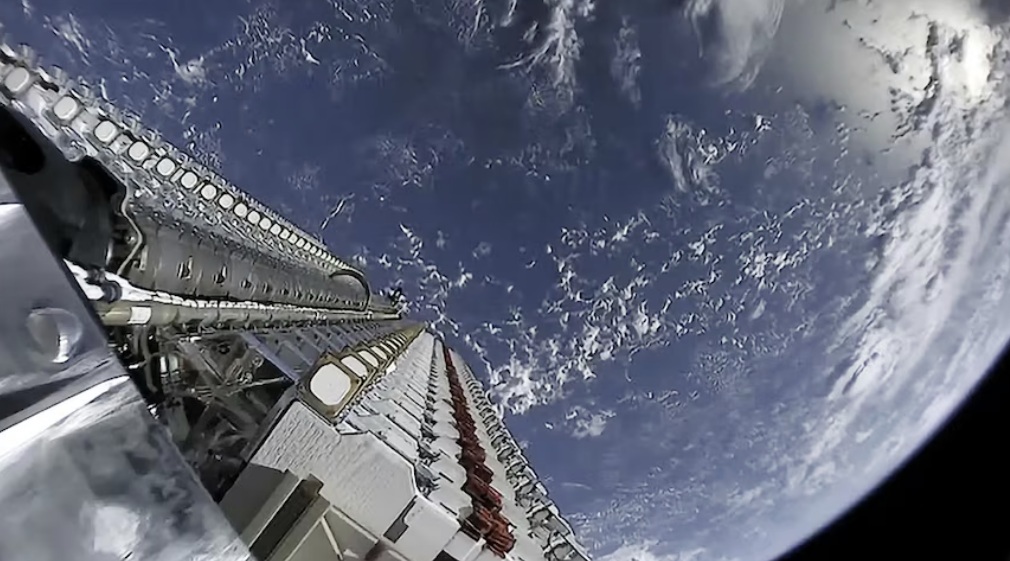
I am working in an environment where communication is critical and at the same time limited. I was observing colleagues struggling with connectivity, unstable links, slow communication, constant frustration. I made a suggestion to install Starlink. At first it sounded strange to junior management, not something standard, not something expected. But I kept pushing and at the same time I started studying the system deeply, architecture, latency, constellation behavior, terminal performance. I was impressed. This was not just communication, this was infrastructure redefined.
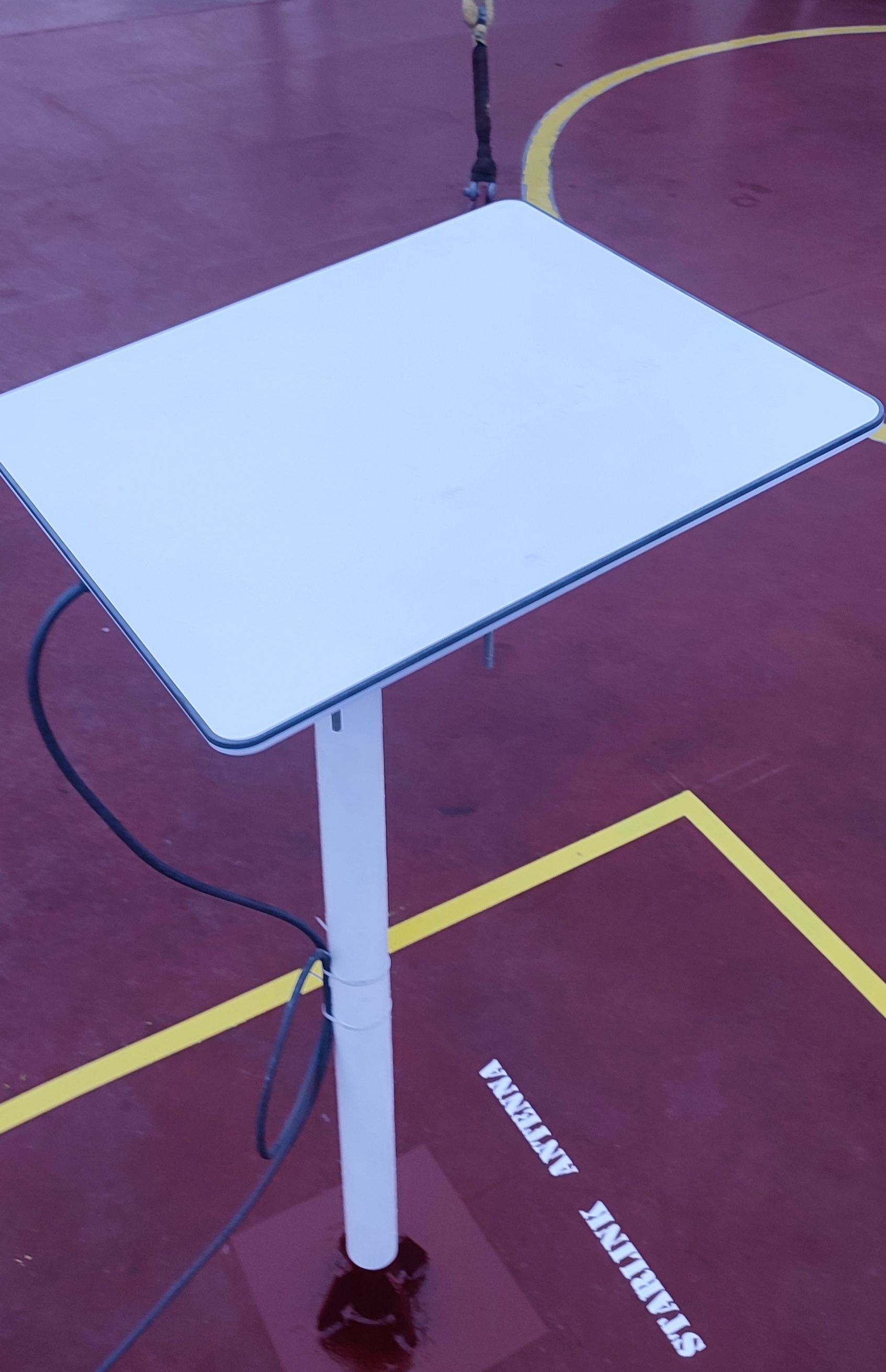
Later sitting with the board I made the same proposal again and this time things started moving. One of the first systems was installed under my supervision and with my direct involvement and it worked perfectly. Mission accomplished!
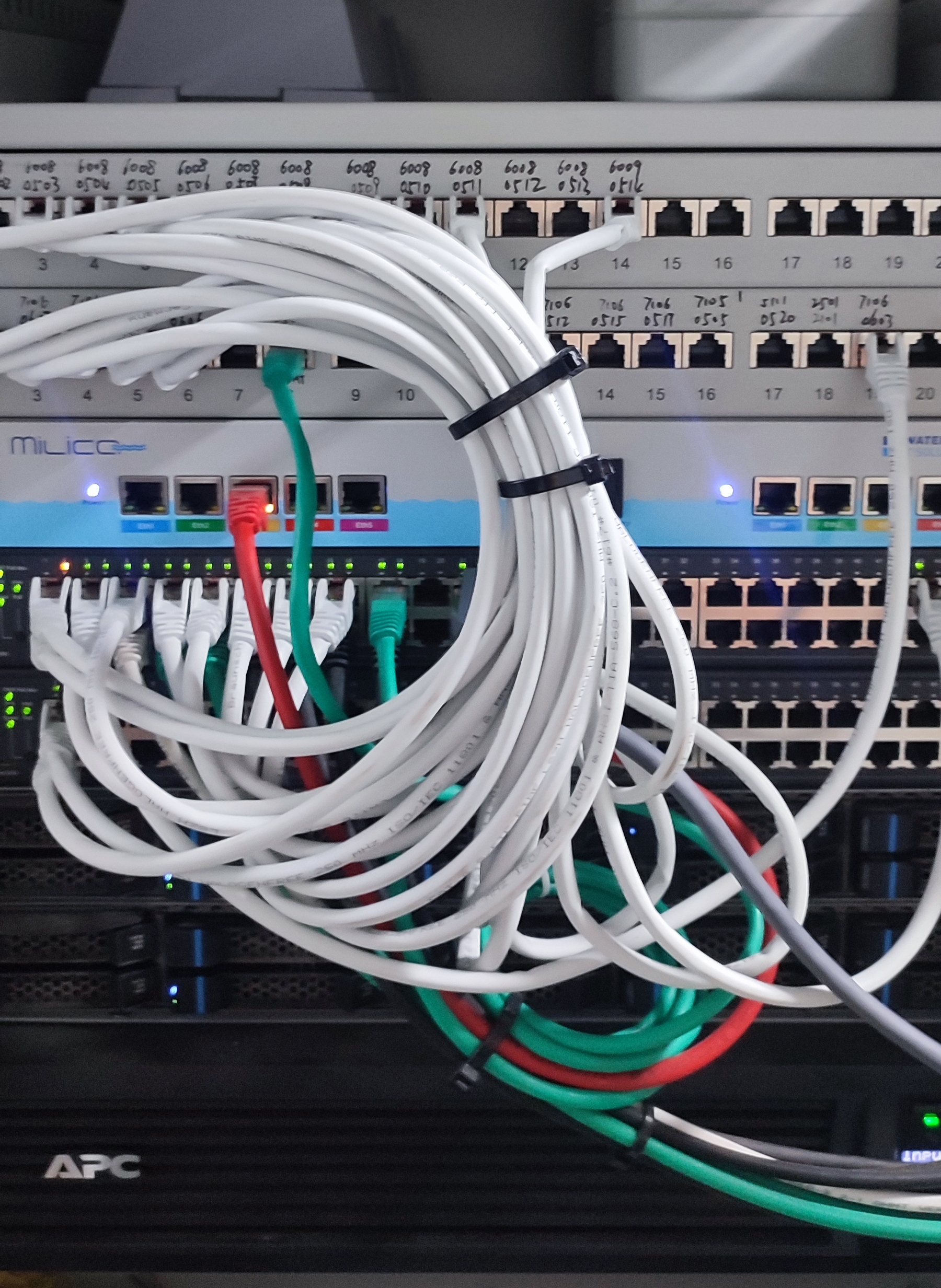
Satellite communication using laser links became extremely interesting to me. Clean, directional, high bandwidth, low latency. That is where I decided to go deeper again, but in my own way.
I bought simple components and started building. Crazy right?
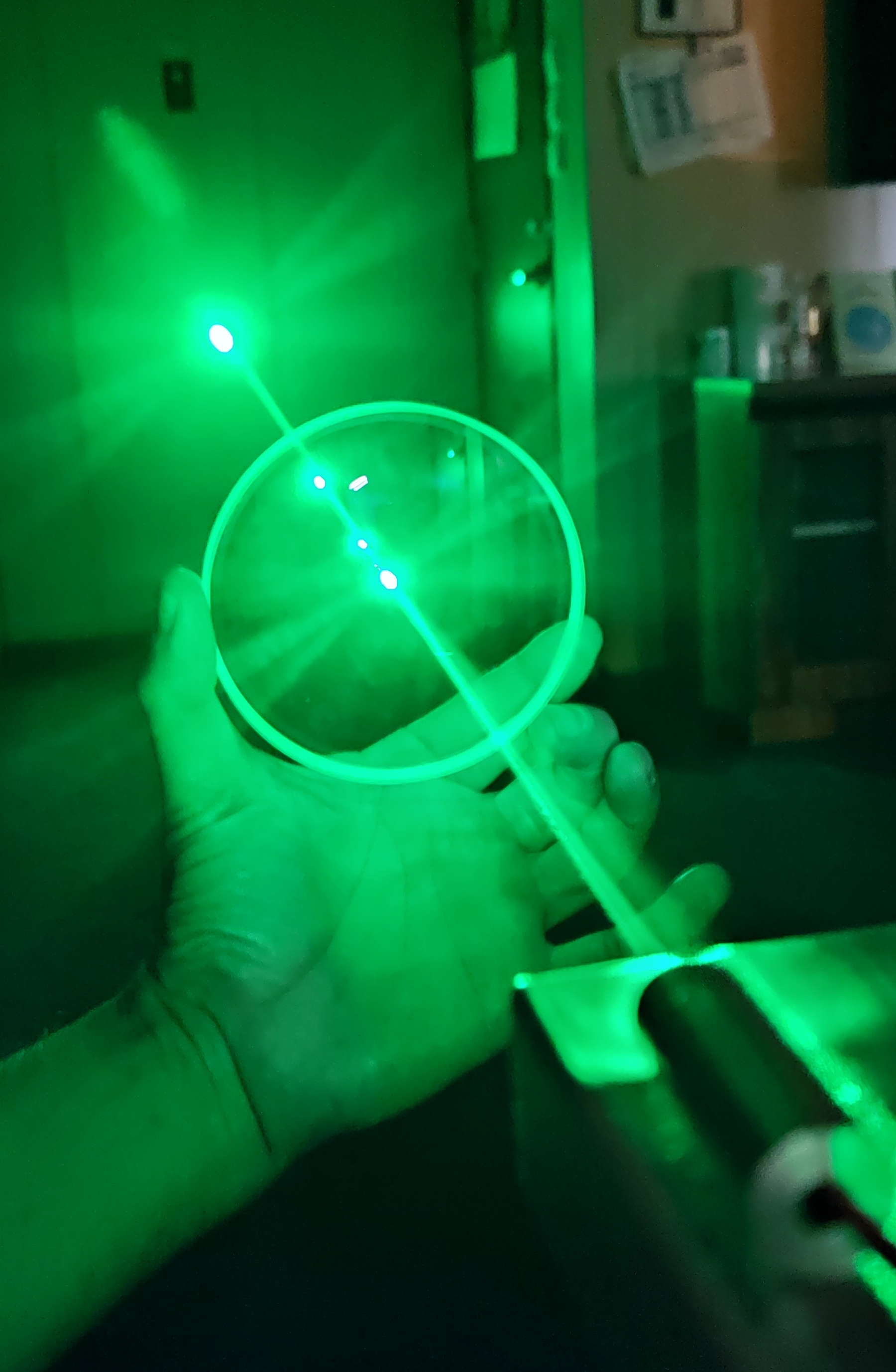
This is where MAKSbit starts.
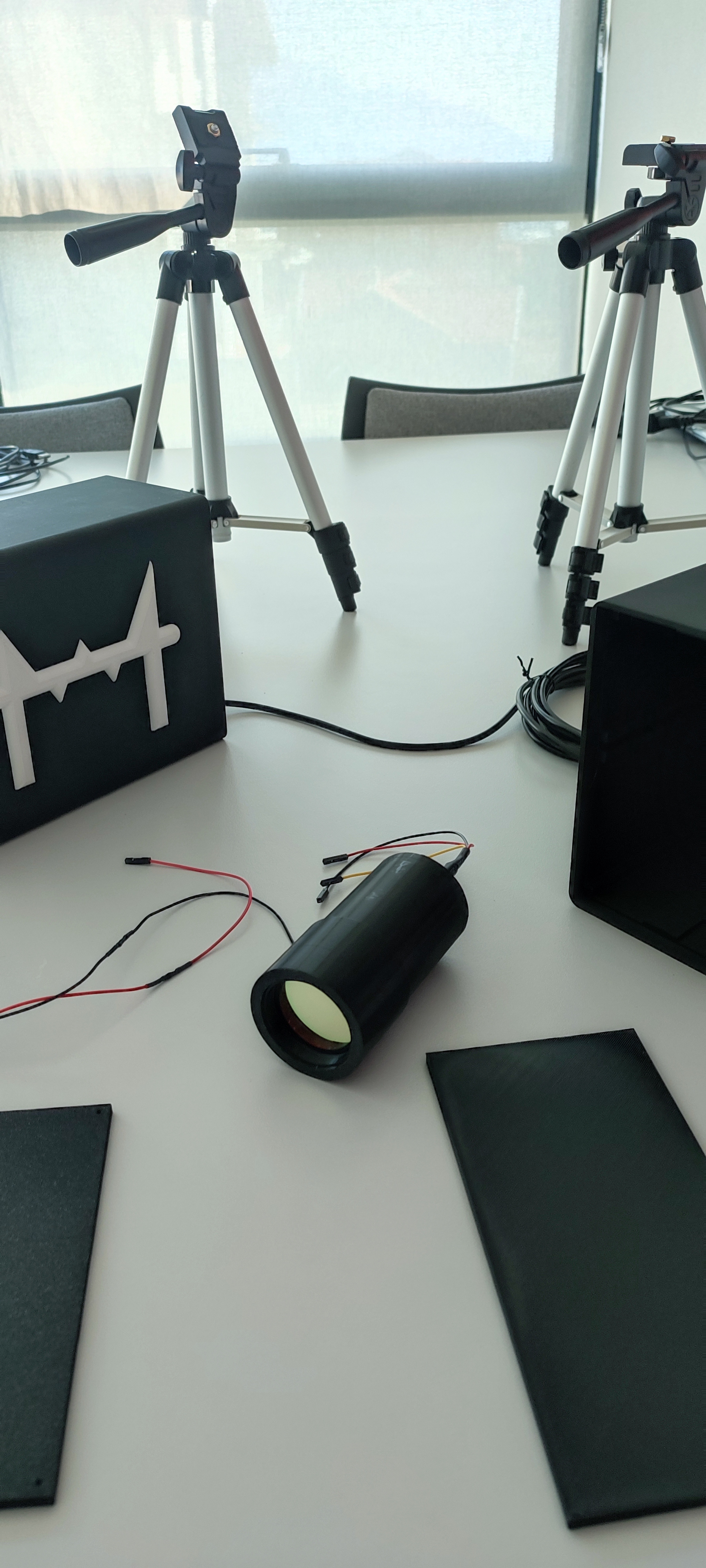
MAKSbit did not start as a product. It started with a simple question, can we build a stable duplex communication system using light, cheap components and precise timing and make it work in real conditions, not just in theory. At first it looks simple, one side sends light, the other receives it, encode and decode and you are done. But the moment you leave theory everything starts breaking. Light is not stable, environment is not controlled, timing is never perfect and software, which should give structure, often becomes the weakest point.
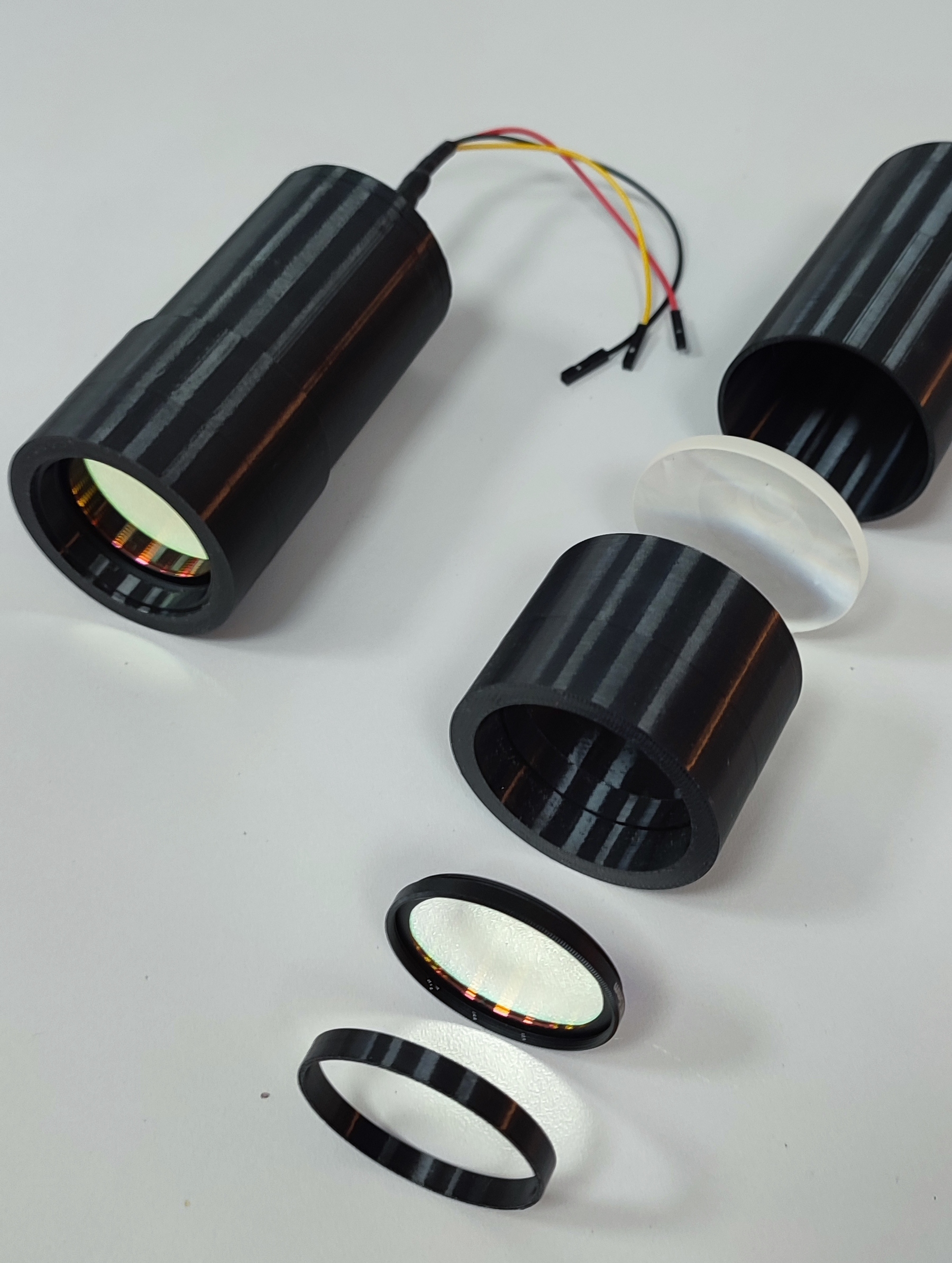
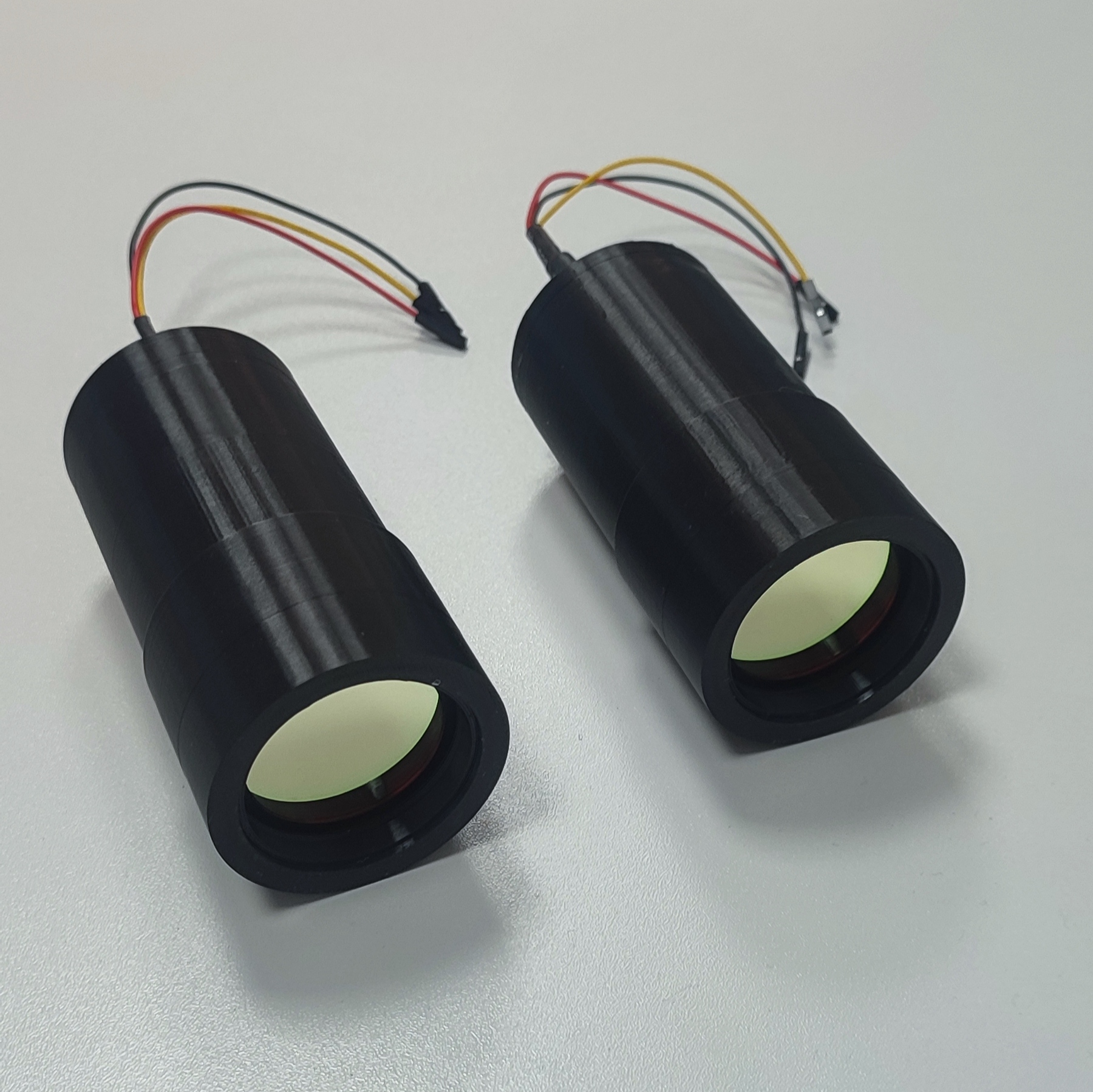
Very quickly this stopped being just a device and became a layered system where every level compensates for the imperfections of the one below it.The first real challenge was the physical layer. Working with optical transmission means accepting that air is not a clean medium. Ambient light interferes all the time, reflections create false signals and even very small mechanical misalignments reduce performance significantly. What looks like a sharp beam to the human eye is actually spreading and interacting with the environment in unpredictable ways. To stabilize this the hardware had to evolve. The optical path was constrained using tubular enclosures to reduce stray light, plano convex lenses were introduced to control the beam and improve focus over distance and narrowband filters were used to reject environmental interference. Even mechanical stability became critical because a few millimeters of movement can degrade the signal at the receiver.
Even after improving the optics the signal was still not reliable enough, so I changed the approach completely. Instead of relying on signal strength, which is highly sensitive to the environment, the system uses time as the carrier of information. It does not care how strong the signal is, it cares how long it exists and how it is spaced. Pulses, gaps and sequences form a timing language that can be decoded in a deterministic way. This was a key shift because it transformed a fragile analog problem into something much more controllable.
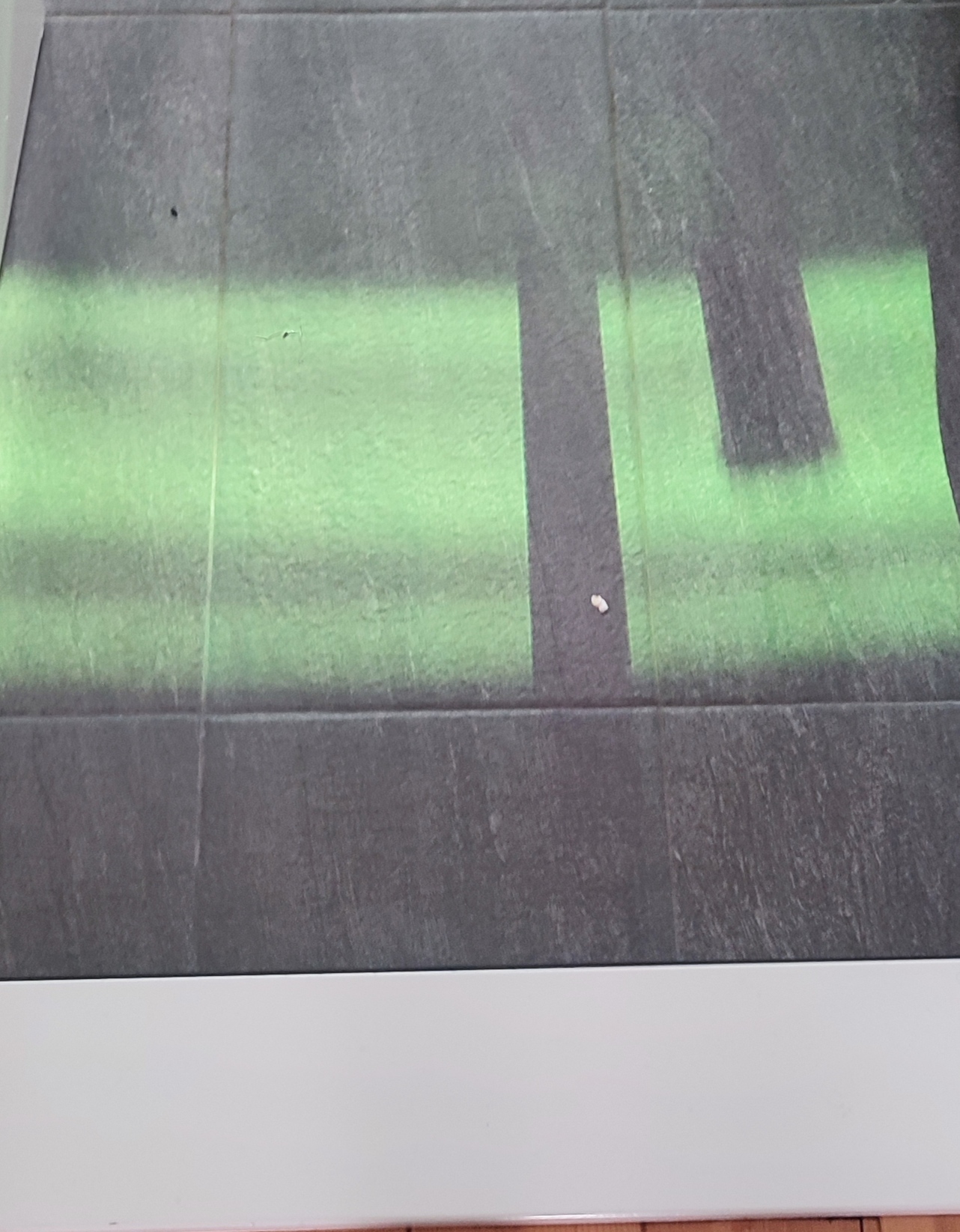
But encoding alone is not enough. Without structure communication becomes ambiguous, signals overlap, messages collide and the system falls into undefined states. To prevent that a strict handshake protocol was introduced with clearly defined states from idle, link initialization, alignment and calibration all the way to data exchange and finalization. Every transition is governed by timing windows and explicit markers. Requests must be acknowledged within defined intervals and messages must have clear endings. If something goes wrong the system does not wait forever, it resets, retries or forces completion. This is not optimization, this is survival. A system that assumes success will fail, a system that assumes failure will recover.
The deeper challenges appeared in the software layer. At first it looked like hardware instability but in reality it was timing and concurrency. Race conditions, buffer overflows and partial reads created inconsistencies that were misinterpreted as signal problems. Multiple read operations competing for the same serial stream caused fragmentation and message loss. The solution required strict control, a single read loop, continuous draining of incoming data and controlled refresh of idle states. On the transmission side watchdog logic was introduced to detect incomplete messages and force proper termination so the system never remains in an undefined state.
One very important moment came during extended cable testing. Increasing the cable length to five meters introduced unexpected glitches especially in transmission stability. This was not optical but electrical and timing related. Signal integrity degraded and small delays accumulated into real protocol issues. This confirmed an important principle, any physical change propagates through the entire system. Instead of patching the issue locally the system was strengthened globally with better buffer management, stronger watchdog logic and improved recovery behavior so even degraded conditions would not break communication.
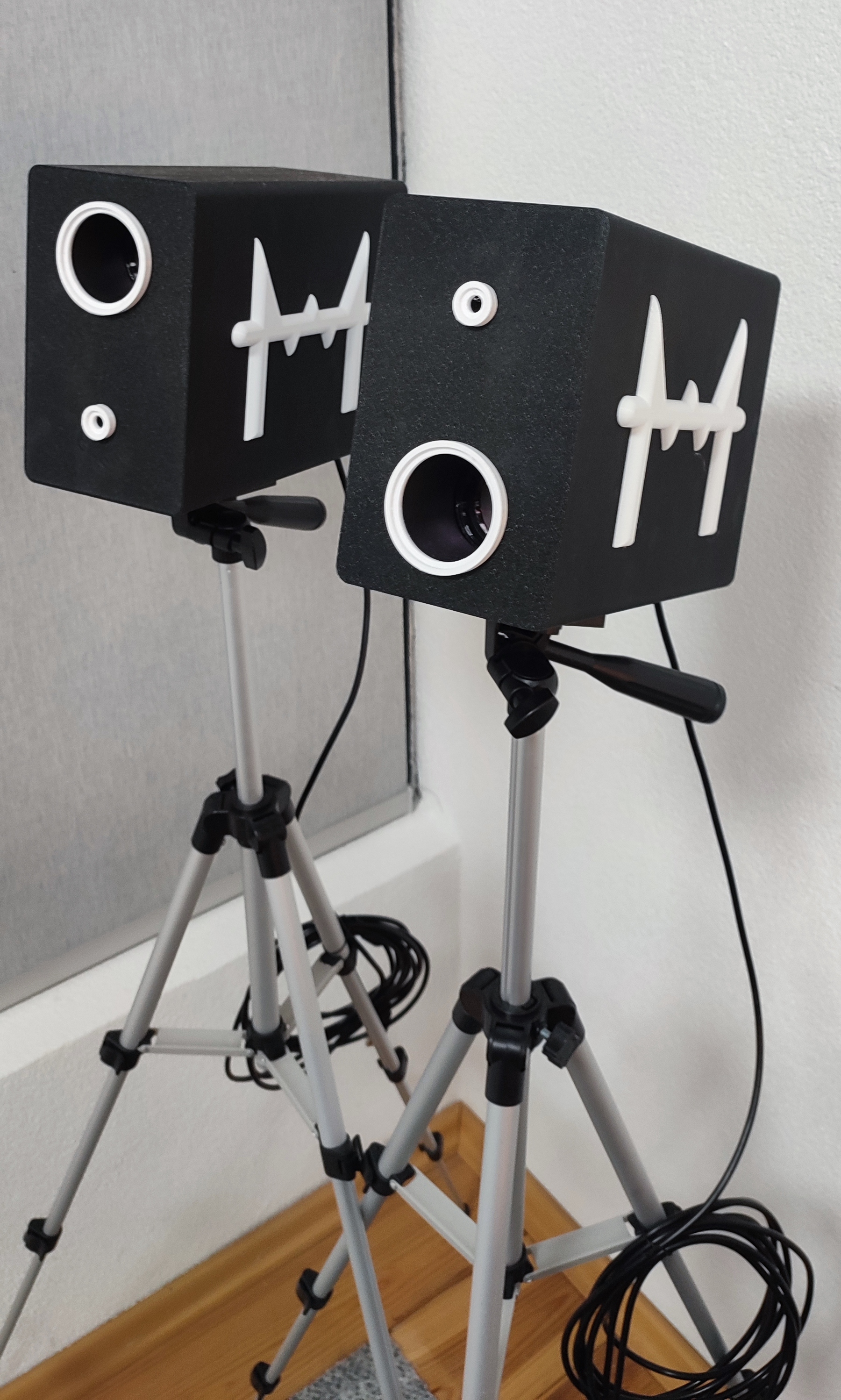
Prototyping was essential in this process. Timing values were not taken from theory alone, they were measured, adjusted and tested repeatedly. Alignment bursts, acknowledgment windows and retry intervals were tuned through iteration. The system evolved step by step based on real behavior not assumptions.
The first successful field test was not about perfection but about stability. The system established a link, exchanged messages, handled interruptions and recovered from partial failures. That was the real milestone. Performance can always be improved later but reliability must come first.
What defines MAKSbit is not a single component but the interaction between layers. The optical layer reduces noise but cannot eliminate it, the signal layer encodes information in a way that tolerates imperfections, the protocol layer enforces structure and recovery and the software layer ensures consistency. Together they create a system that is robust not because it avoids problems but because it is designed to handle them.
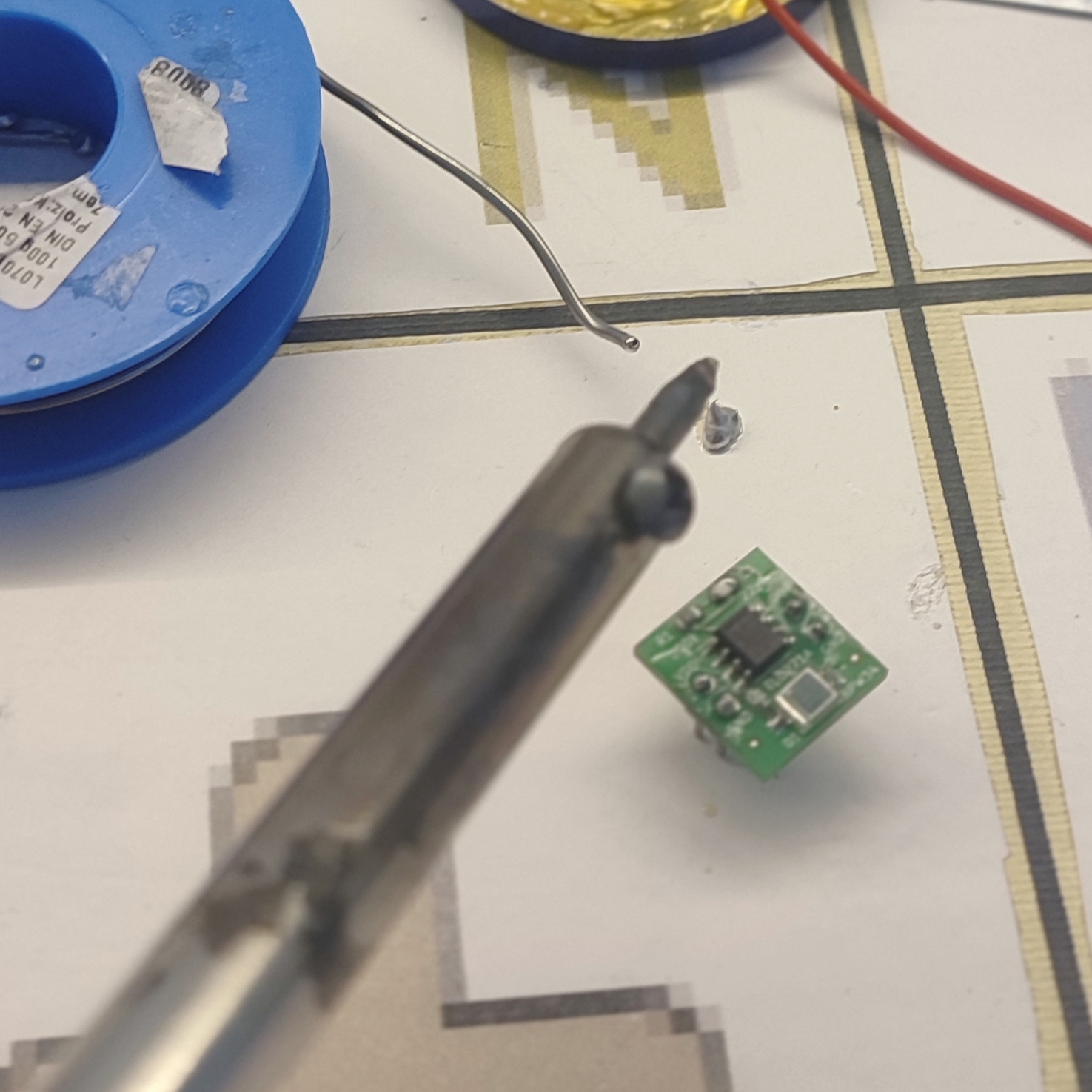
The next phase focuses on transforming the system into high-performance communication platform. Introducing a stronger 5W laser and beyond combined with telescopic beam expanders and precision optics (ThorLab's) to improve collimation and extend range. On the receiver side adding high performance photodiode and transimpedance amplifier will significantly increase speed and sensitivity. Proper signal conditioning using op-amp amplification and low-pass or band-pass filtering will dramatically improve stability and noise resistance.
At the protocol level to implement error detection mechanisms such as checksum or CRC and adaptive thresholding for dynamic light calibration.
In next stage the system should evolve with clock recovery and synchronization pulses. Improved modulation methods such as Manchester encoding and eventually a servo-based tracking system for automatic alignment.
This is just the beginning. The current baseline is stable and from here the focus moves to refinement.
At its core MAKSbit shows one simple idea.
Reliable communication is not achieved by perfect signals.
It is achieved by systems that remain stable even when the signals are not.
R&D Aleksandar